When optical practices in the UK evaluate practice management software, Acuitas 3 and Optix tend to appear on the same shortlist. Both are built specifically for optical retail and optometry rather than adapted from generic healthcare systems, and both have a meaningful footprint among independent and multi-site practices.
That shared positioning makes the comparison worth doing carefully. The differences show up less in what each platform covers and more in how it handles specific workflows; the depth of clinical documentation, equipment integration, how reporting is structured, and what the platform looks like when a practice starts to grow.
This comparison draws on publicly available feature documentation, trade press coverage, and verified company information. For anything specific to your practice setup, a demo from each vendor is the only way to confirm the details that matter most.
Who Each Platform Is Built For
Optix is a UK-based practice management system (PMS) developed and supported from York, incorporated in 2002 and originally built for the founders’ own optical practice. Over more than two decades it has grown into a system with a following primarily among independent practices and multi-site groups. Diary management, eGOS, stock, recall, clinical records, and a business intelligence suite sit alongside each other as roughly equal priorities. Since 2023, Optix is owned by the Berlin-based European software group Evex Group.
Acuitas 3 is Ocuco’s flagship platform for independent practices and groups. Ocuco was founded in Dublin in 1993 and is now the largest optical retail software provider worldwide, with over 6,750 sites using its products across 88 countries. Acuitas 3 serves independent practices, optical chains, and multi-site groups across the UK, Ireland, Benelux and the US. Its design emphasis is on connecting clinical and retail workflows: eye exams, equipment integration, business intelligence insights, dispensing, eCommerce, and omnichannel patient journeys in a single platform.
Both are cloud-based EHR for optometry, both target the UK optical market, both handle eGOS, and both support multi-location operations. The divergence lies in depth, emphasis, and commercial context rather than broad coverage.
Feature Comparison
The tables below give a high-level view of where the two platforms align and where they diverge. The first covers clinical and day-to-day operational features; the second covers compliance, scale, and commercial considerations.
| Feature | Acuitas 3 | Optix |
|---|---|---|
| Diary & online booking | Yes; unified online and in-practice ¹ | Yes; MySight online booking ² |
| Clinical records | Fully configurable by visit type ¹ | Comprehensive clinical modules ² |
| Equipment integrations | Extensive catalogue ¹ | Clinical integrations supported ² |
| eGOS | Yes ¹ | Yes² |
| Dispensing | Validated dispensing with error reduction ¹ | Not specified online ² |
| Stock management | Real-time across sites ¹ | Yes; mobile stocktake app ² |
| Recall & patient communication | Multi-channel automated recall ¹ | Email, SMS, letters, postcards ² |
| Reporting & analytics | Power BI integrated dashboards ¹ | Power BI business intelligence suite ² |
| eCommerce | Yes; synced online and in-practice ¹ | Not listed as a core feature |
Sources:
¹ Acuitas 3 features: https://www.ocuco.com/industry-solutions/independents/acuitas-3/
² Optix features: https://www.optix.co.uk/optix-features/
Clinical Workflows and Equipment Integration
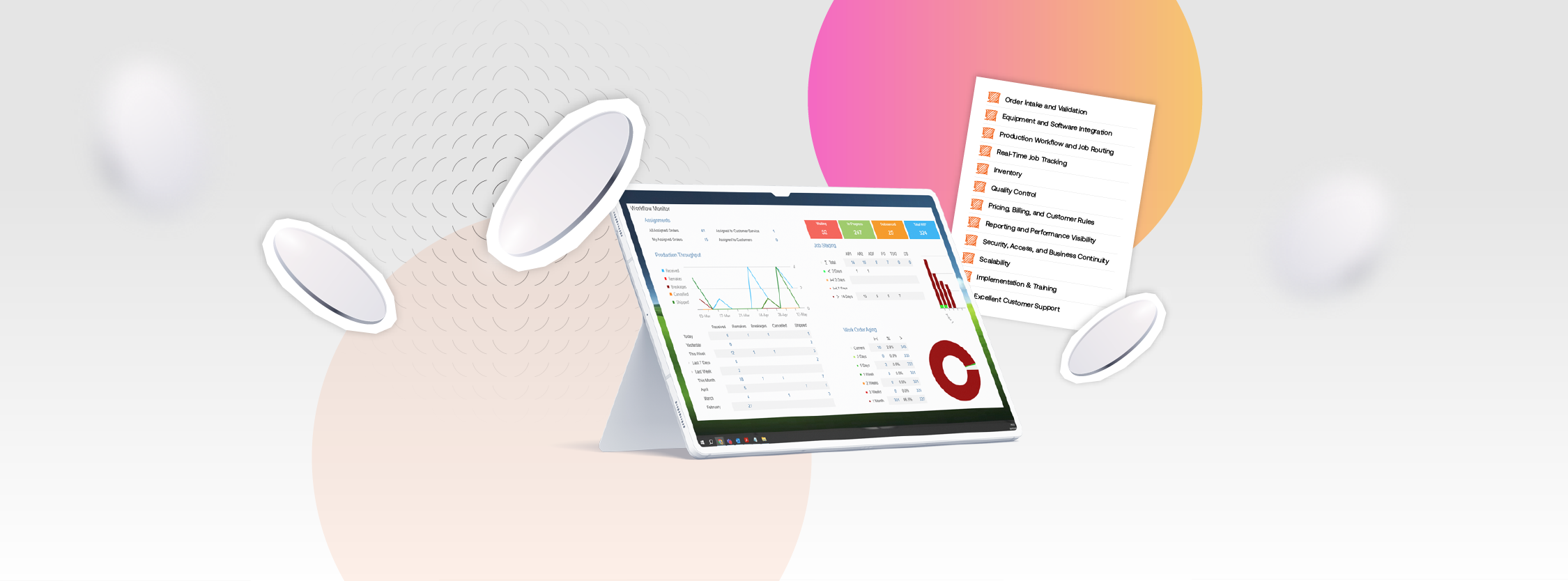
When choosing EHR software for optometry, workflows and equipment are crucial. This is where the two platforms differ most visibly. Acuitas 3 was built around the clinical encounter as its core: configurable exam workflows by visit type, structured documentation across every stage of the patient journey, and an equipment integration catalogue that Ocuco describes as the largest in the industry.
Optix covers clinical documentation well, with modules for the full eye examination process including contact lens fittings and aftercare. Its clinical integrations are described in general terms rather than with a published device catalogue.
The gap between what a vendor confirms in a sales conversation and what actually works with your specific device list can be significant; it is worth pressing on before committing. Practices with a defined set of diagnostic equipment should ask both vendors to confirm integration with their exact devices.
eGOS and NHS Workflow
Both platforms support eGOS workflows. Optix includes tablet-based signature capture for eGOS consent, which is a practical feature in a busy practice. Acuitas 3 handles eGOS within its broader NHS voucher management, covering GOS forms and payment reconciliation as part of the integrated workflow.
For practices where NHS volume is high, both platforms are credible options. The question to explore in a demo is less about whether eGOS is supported and more about how errors and rejections are handled, and how the eGOS workflow connects to the wider patient record and dispensing process.
Reporting and Business Intelligence
Both platforms integrate Power BI, so the reporting technology itself is not a differentiator. The difference lies in implementation and emphasis.
Acuitas 3’s Power BI dashboards are designed around multi-site optical group reporting, with drill-down capability by site, clinician, and time period, alongside in-depth reports covering areas such as stock age, turnover and movement. For practices with their own data teams, the Power BI layer also means custom reports can be built against the same underlying data.
Optix’s business intelligence suite is built around a KPI scorecard and performance insights structure that suits independent and smaller multi-site practices. The NPS and automated review collection built directly into the diary workflow is a feature that practices for whom patient feedback is a strategic priority will find meaningful.
Stock Management and Dispensing
In addition to other capabilities, these two play the role of an optical inventory management software as well. Acuitas 3 offers real-time stock visibility across sites with validated dispensing; a live check that confirms whether a specific frame and lens combination can be made before the order is placed. This capability draws on Ocuco’s deep optical lab industry expertise. As the developer of Innovations, one of the world’s leading lab management systems, Ocuco brings a level of supply chain understanding from practice to lab that goes beyond what a practice management software provider typically offers. This validation step is designed to reduce remakes significantly. For practices where dispensing errors are an ongoing concern, that validation layer is worth exploring in a demo.
Optix handles stock management with a mobile stocktake app that feeds directly into the system, making physical inventory counts more straightforward. Its dispensing module is customer-facing by design, structured to support frame and lens recommendations and incorporate NHS vouchers into the sale.
Multi-Site and Scale
Both platforms support multi-site operations, but with different architectural emphases.
Acuitas 3’s multi-site design is built around centralised reporting, shared clinical standards, and an omnichannel patient overview that connects online and in-practice touchpoints, which reflects its use in larger optical chains and groups operating across the Netherlands, the UK, Ireland, and the US. For practices that are growing or already operating at scale, that architecture is a differentiator worth understanding in detail. Ocuco’s technical support team is available via phone and online six days a week.
Optix handles group and branch level configuration and has a strong independent practice base in the UK. It also describes itself as an IT partner, offering support services alongside the software.
Security, Compliance and Scale
Beyond day-to-day operations, the platforms also differ in how they handle compliance, multi-site architecture, and commercial model, areas that tend to carry more weight the larger a practice grows.
Platform and Commercial Overview
| Feature | Acuitas 3 | Optix |
|---|---|---|
| ISO 27001 | Yes ³ | Yes ⁴ |
| SOC 2 Type II | Yes ⁵ | Not listed as a core feature |
| NPS & reviews | Yes; NPS is collected via a third‑party provider and reviewed internally on a quarterly basis | Yes; automated NPS and review collection ² |
| Multi-site management | Yes; centralised reporting and control ¹ | Yes; group and branch level ⁶ |
| API access | Yes ¹ | In development ² |
| US market support | Yes ¹ | No |
Sources:
¹ Acuitas 3 features: https://www.ocuco.com/industry-solutions/independents/acuitas-3/
² Optix features: https://www.optix.co.uk/optix-features/
³ Ocuco ISO 27001 certification: https://www.ocuco.com/resources/news/ocuco-receives-iso-27001-2017-certification-for-information-security-compliance
⁴ Optix benefits and security: https://www.optix.co.uk/optix-benefits/
⁵ Ocuco SOC 2 Type II certification: https://www.ocuco.com/resources/news/ocuco-awarded-soc-2-type-ii-certification-for-acuitas-3-omnichannel-edition
⁶ Optix multi-site configuration: https://www.optix.co.uk/optix-benefits/
Disclaimer: The information in both tables is compiled for general educational purposes from publicly available sources, including vendor websites, trade press, and third-party documentation, and is accurate to the best of our knowledge at the time of writing.
It is not intended as a definitive or exhaustive account of either platform’s capabilities.
Feature availability, pricing, and product roadmaps change; always verify the details that matter to your practice directly with each vendor before making a decision.
Security and Compliance
Both platforms hold ISO 27001 certification. Acuitas 3 is backed by ISO 27001-certified practices and SOC 2 Type II certification, alongside GDPR and DPA compliance and a full audit trail. For practices operating in regulated environments or as part of larger groups with formal governance requirements, that certification layer matters.
Optix highlights ISO 27001 certification and states that it manages customer data within its UK Data Centre, which may be relevant for practices prioritising UK data residency.
For practices operating in regulated environments or as part of larger groups with formal governance requirements, that additional certification layer matters.
Pricing and Commercial Model
Optix publishes a rental-based pricing model with no initial costs and no restrictive contracts, the monthly fee includes software, support, and all future updates. Telephone support is staffed six days per week. That transparent model lowers the barrier to entry for independent practices and makes budgeting straightforward.
Acuitas 3 is structured around the size and complexity of the practice: location count, user numbers, and modules required all factor in. Practices considering Acuitas 3 should request a quote specific to their setup. Pricing is provided on a SaaS (subscription) model, and practices considering Acuitas 3 should request a quote specific to their setup.
Which Type of Practice Each Platform Suits
Rather than a single verdict, the fit depends on what the practice actually needs.
Optix is commonly considered for independent and smaller multi-site practices in the UK that want a platform with a solid eGOS handling, and features like NPS collection and IT support that make practical sense at that scale. The Evex Group membership and Optix 2 development make the platform’s longer-term direction interesting for practices thinking beyond the UK market. The audiology extension supports combined optical and audiology practices.
Acuitas 3 suits practices that need clinical depth, broad equipment integration, real-time inventory management across the business, validated dispensing, and reporting that scales across sites. The ISO 27001 and the SOC 2 Type II certifications, as well as the full audit trail make it the stronger option for practices with formal compliance requirements, and its architecture holds up as practices grow. Its omnichannel capabilities, including features like web diary and online ordering, make it the platform of choice across the full spectrum of optical businesses, from single-site independents to large retail groups.Additionally, Acuitas 3 is backed by a company with over 30 years of expertise developing solutions exclusively for the optical industry.
Why Practices Looking to Scale Choose Acuitas 3
For practices at the point of outgrowing their current system or building a software foundation with growth in mind, Acuitas 3 connects clinical records, practice management, dispensing, eCommerce, and reporting in a single platform without requiring separate tools as the practice expands. The equipment integration depth, the optical patient journey overview, the validated dispensing layer, and the Power BI reporting architecture are features that tend to matter more as volume and complexity increase.
For independent optical practices and eyecare chains evaluating their options, a demo is the most direct way to see how Acuitas 3 handles the workflows specific to your practice. Book a demo with Acuitas 3.